Ball Therapy For Hands Unique Grip Boost

Therapy techniques for the hands can significantly improve grip strength, which is vital for various daily activities and sports performance. Hand therapy approaches involve using specially designed exercise balls that offer resistance training for the hands and forearms.
Implementing a hand therapy ball can yield benefits such as improved dexterity and alleviated discomfort in the fingers and wrists.
Different types of exercise balls are available, with varying sizes and resistance levels tailored to meet specific needs.
Regular incorporation of these exercises can effectively enhance hand strength and overall functionality of the upper extremities.
- Types of Therapy Balls:
- Exercise balls come in various sizes to accommodate all hand sizes.
- Resistance levels range from soft to firm, catering to different exercise capacities.
- Material considerations such as silicone or rubber ensure comfort and durability.
- Unique Approaches to Using Therapy Balls:
- Specific grip improvement techniques involve squeezing and rolling the therapy ball.
- Hand exercises with the ball can be easily integrated into daily routines.
- Benefits of Enhanced Grip Strength:
- Improved grip strength has practical applications in lifting, writing, and various sports.
- Enhanced grip positively impacts daily activities and performance in competitive settings.
- Common Questions About Hand Therapy:
- Typically, noticeable improvements occur within weeks of committed use.
- Indicators of effective therapy include increased grip strength and diminished discomfort.
Enhancing Grip Strength With Therapy Balls
Utilizing effective tools for enhancing grip strength can significantly improve daily functional tasks. Therapy balls serve as versatile devices widely embraced in physical therapy, particularly for refining fine motor skills.
Made from materials such as rubber and silicone, these balls offer a variety of resistance levels tailored to individual recovery needs.
Engaging with therapy balls leads to improved muscle coordination in both the hand and forearm.
Recommended exercises include:.
- Squeezing and releasing the therapy ball to develop power and endurance.
- Rolling the ball between the fingers to enhance dexterity and control.
- Pinching the ball using fingers and thumb to build grip strength.
Experts recommend practicing exercises 3-5 times weekly, with each session lasting 10-15 minutes. Patients frequently report noticeable improvements in grip strength, which contributes to better performance in everyday activities. Incorporating a range of therapy ball types, such as soft, medium, and firm options, can help address varying rehabilitation goals effectively.
 Effective Hand Exercises For Rehabilitation
Rehabilitation following upper extremity injuries requires a strategic approach to optimize recovery. Engaging in effective exercises promotes strength, flexibility, and mobility, aiding those recovering from various conditions.
C. J.Allen OT Upper Extremity & Hand Therapy focuses on creating customized therapy plans to support each patient’s unique recovery journey.
- Finger Stretch
- This exercise aids in increasing flexibility and reducing stiffness in the hand and fingers.
- Duration: 15-30 seconds per stretch, 3 times daily.
- Grip Strengthening with a Therapy Ball
- Utilizing a therapy ball helps build strength and control in the hand and fingers.
- Duration: 2-3 minutes, several times a day.
- Wrist Flexion and Extension
- This movement improves mobility and strength in the wrist joint.
- Duration: Hold for 10 seconds, repeat 10 times.
- Towel Twist
- Towel twists enhance grip and forearm strength through resistance.
- Duration: 10 twists for each direction, 2-3 times a day.
- Thumb Opposition
- This exercise increases thumb mobility and dexterity.
- Duration: Hold each position for 5-10 seconds, repeat 5 times.
Consistency is vital for effective rehabilitation. Regular practice of hand exercises helps maintain function and facilitates a smoother recovery process. C. J. Allen OT Upper Extremity & Hand Therapy provides personalized guidance to enhance each patient’s therapy experience.
Upper Extremity Rehabilitation
- Engaging in regular hand exercises can significantly improve recovery time and overall function.
- Customized therapy plans are shown to enhance patient motivation and adherence to rehabilitation protocols.
- Research indicates that exercises focusing on grip strength can lead to better outcomes in upper extremity recovery.
- Flexibility and mobility exercises are essential for preventing stiffness and promoting joint health post-injury.
Techniques To Improve Dexterity And Control
Improving dexterity and control benefits patients undergoing rehabilitation, particularly those recovering from upper extremity injuries. Grip strength exercises are foundational techniques to enhance these skills.
Therapy ball exercises will help strengthen hand muscles effectively when engaging your palm.
Fine motor skill activities involve tasks such as threading beads, which aid in coordination.
Maintaining a thumb’s position helps stabilize small objects during these activities. Range of motion exercises consist of stretching and flexion movements that are essential for tracking progress and enhancing skills.
- Grip Strength Exercises
- Use an adjustable hand grip, focusing on squeezing and extending fingers.
- Track grip strength improvement consistently using measurements.
- Fine Motor Skill Activities
- Practice manipulating small objects, which can improve coordination and dexterity.
- Maintain a journal to note daily achievements during practice for better tracking.
- Balance and Coordination Drills
- Incorporate exercises like catching a ball to improve hand-eye coordination.
- Utilize a therapy ball with your fingers for enhanced coordination and grip.
By regularly practicing these exercises, individuals can monitor their progress effectively while improving their manual skills. Each technique contributes to a comprehensive rehabilitation program aimed at restoring function and mobility.
Tips For Reducing Joint Pain In Hands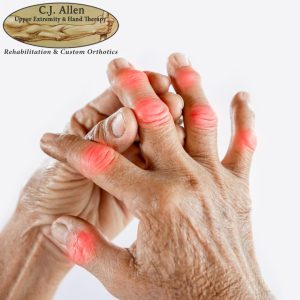
Joint discomfort in the hands can create significant barriers to daily living and enjoyment. Identification of underlying causes of pain is important for effective strategies.
Engaging in regular stretching exercises can serve as a great way to improve overall hand function and maintain flexibility.
Hand therapy, as personalized at C. J. Allen OT Upper Extremity & Hand Therapy, provides tailored rehabilitation approaches suited for each patient. Incorporating the use of gel balls and massage balls helps promote stress relief and improve circulation.
Ensure to keep it in place while you use your thumb to roll the ball for targeted relief. Consulting a physical therapist may further enhance recovery techniques for ongoing discomfort.
- Identifying Sources of Discomfort: Joint pain in the hands can stem from various sources, including arthritis or repetitive strain. Recognizing the origin can lead to more effective management strategies.
- Stretching Routines: Engaging in consistent stretching routines is a great way to improve flexibility and diminish stiffness in hand joints. Focus on gentle wrist and finger movements to enhance mobility.
- Heat and Cold Therapy: Alternating applications of heat and cold can provide relief from joint discomfort. Heat soothes stiffness, while cold packs help reduce inflammation.
- Hydration and Nutritional Choices: Maintaining adequate hydration alongside a diet rich in anti-inflammatory foods supports joint health. Nutrients, such as Omega-3 fatty acids found in fish, and antioxidants from fruits and vegetables can be particularly advantageous.
- Utilizing Ergonomic Tools: Ergonomic tools are designed to ease the strain on hands during tasks, thereby minimizing discomfort risk. Opt for utensils with larger grips or specialized designs for better usability.
- Insights from Hand Therapy: Hand therapy provided by clinics like C. J. Allen OT Upper Extremity & Hand Therapy offers comprehensive rehabilitation plans customized to patient needs. Certified hand therapists can guide individuals through custom splinting and therapeutic exercises focused on pain alleviation.
- Professional Assessment: Should discomfort persist, reaching out to a healthcare professional is advisable. Personalized treatment and assessment plans are foundational to effective recovery.
Recognizing the significance of managing joint discomfort builds a strong foundation for enhancing dexterity and control. These practical tips not only maintain hand health but also work towards reducing discomfort.
Best Practices For Using Exercise Balls
- Choosing the Right Ball: Select exercise balls that are appropriate for hand therapy. Ensure they are neither too firm nor too soft, allowing for effective manipulation without causing strain.
- Incorporating Therapy Ball Exercises: Incorporate the exercise ball into a variety of hand therapy exercises to boost strength and dexterity. Simple techniques, such as squeezing and rolling, can significantly enhance hand function.
Hand Joint Discomfort
- Approximately 54 million adults in the U. S. are affected by arthritis, which can lead to joint pain in the hands.
- Regular stretching can improve flexibility and reduce stiffness, which is crucial for maintaining hand function.
- Studies show that heat therapy can enhance blood flow and reduce muscle tension, while cold therapy can minimize swelling and pain.
- Ergonomic tools can reduce the risk of repetitive strain injuries by up to 50%, promoting better hand health during daily activities.
Best Practices For Using Exercise Balls
Using exercise balls can effectively enhance rehabilitation and strengthen the muscles involved in hand and upper extremity therapy. Maintaining proper posture while exercising is necessary, as this helps prevent injuries and promotes better engagement of muscle groups.
It’s beneficial to start with simple exercises aimed at reinforcing the muscles in the hands and forearms.
- Start with Basic Movements: Ensure your palm is as flat as possible when performing exercises. This technique guarantees an even distribution of pressure across the ball.
- Session Duration: For beginners, aim to exercise for at least 5 to 10 minutes. Gradually increase this duration as your strength has increased and confidence grows.
- Incorporate Variety: Exercise balls can also be used for a range of exercises targeting different muscle groups, effectively promoting overall fitness.
Be sure to exercise within your comfort zone and consult with professionals before starting new routines, especially when aiming to strengthen the muscles. C. J. Allen OT Upper Extremity & Hand Therapy offers expert guidance tailored to your needs.
To enhance your rehabilitation experience further, consider exploring additional resources on strengthening wrist and forearm muscles.
Strengthening Wrist And Forearm Muscles
Building strength in the wrist and forearm is integral for performing everyday tasks and enhancing overall upper extremity function. Increased muscle strength in these areas can significantly reduce joint pain and improve grip strength.
A comprehensive understanding of wrist and forearm anatomy allows for the identification of targeted exercise for the hands, which aids in rehabilitation and injury prevention.
For instance, incorporating weights into exercises like wrist curls effectively increases grip strength over time.
If making a fist causes you pain, beginning with soft rubber therapy balls might be beneficial, allowing for controlled movements and gradual strength progression.
- The Anatomy of the Wrist and Forearm
- The major muscles supporting wrist stability include the flexor and extensor groups.
- Common injuries like tendinitis can adversely affect daily activities and overall function.
- Effective Exercises for Strengthening
- Wrist curls with dumbbells specifically target the flexor muscles.
- Reverse wrist curls emphasize the extensors, ensuring balanced muscle development.
- Forearm planks not only enhance core stability but also strengthen wrist muscles.
For integrating resistance training, household items such as water bottles or bags of rice can be creatively used to increase grip strength.
- Modifications for Different Skill Levels
- Beginners may find that no-weight options are ideal for building confidence and strength.
- Advanced variations might include using heavier weights or incorporating dynamic movements to engage various muscle groups.
- Unique Benefits of Strengthening Wrist and Forearm Muscles
- Improving grip strength enhances performance in a range of physical activities.
- These exercises play a significant role in rehabilitation after sustaining injuries.
Wrist and Forearm Strength
- Strengthening the wrist and forearm can lead to a 30% improvement in grip strength over several weeks of consistent training.
- Incorporating resistance training in rehabilitation can reduce recovery time from wrist injuries by up to 50%.
- Regular forearm exercises can decrease the risk of developing tendinitis by improving muscle balance and joint stability.
- Studies show that individuals with stronger wrist muscles report 40% less pain during daily activities compared to those with weaker muscles.
Exploring Benefits Of Hand Therapy Ball Exercises
Engaging in ball exercises designed for hand therapy can significantly enhance recovery for patients with upper extremity injuries. These exercises aim to improve grip strength and flexibility, which are crucial for regaining function.
Many individuals, particularly seniors, find it beneficial to squeeze and release the therapy ball, witnessing improvements in daily activities.
Regular practice can decrease stiffness while promoting circulation in hand muscles.
Individuals recovering from a spinal cord injury may find these engaging activities motivate their rehabilitation process. Case studies indicate that those who ordered the musicglove experienced faster recovery times.
When these exercises are placed on repetition, they yield remarkable results in restoring hand function.
- Introduction to Hand Therapy Ball Exercises
- Focusing on improving hand function, these exercises require consistent practice.
- Integrating ball exercises can accelerate recovery after an injury.
- Physical Health Benefits
- Enhancing grip strength is a significant advantage, aiding in recovery from injuries.
- These exercises improve dexterity, which is often more difficult than others, especially for seniors.
- Promoting circulation in hand muscles helps reduce swelling and stiffness.
- Mental Health Benefits
- These exercises offer therapeutic effects, leading to lower stress and anxiety levels.
- Patients often want to motivate their focus and mindfulness during rehabilitation sessions.
- Unique Case Studies
- A case documenting recovery from a tendon injury highlights the effectiveness of these ball exercises.
- Feedback from a senior patient showcases improved functionality through consistent ball therapy.
- Optimal Frequency for Exercises
- Daily practice is advisable to maximize benefits from these hand therapy exercises.
- Sessions should not exceed 20 minutes to prevent fatigue, ensuring they remain effective.
- Choosing The Right Therapy Ball For Your Needs
- This understanding leads directly to selecting the most appropriate therapy ball for individual requirements.
Choosing The Right Therapy Ball For Your Needs
Selecting the most suitable therapy ball is fundamental for enhancing your rehabilitation journey. Size plays a significant role; opting for a ball that aligns with your current hand strength is essential.
Larger balls are typically used for advanced exercises, whereas smaller options focus on spreading her fingers and engaging the intricate muscles of the hands.
Firmness levels may also differ, impacting your rehabilitation goals significantly.
Softer balls are recommended for gentle exercises, making them ideal if you have previously suffered bilateral strokes. The choice of material also matters; rubber offers durability, while silicone enhances comfort during use.
Reputable brands, such as TheraBand and Handmaster Plus, provide effective therapy options that cater to various needs. Always factor in resistance levels that fit your specific goals for effective therapy.
- Size: Select a suitable size based on hand strength and therapy goals.
- Firmness: Softer balls for rehabilitation and firmer balls to build strength.
- Material: Rubber provides durability; silicone offers comfort during use.
- Brands: TheraBand and Handmaster Plus are popular options.
- Personalization: Choose balls with varying resistance levels for targeted therapy.
Key Questions:
- What size and firmness will best suit your rehabilitation needs?
- How frequently will you use the therapy ball and for what exercises?
- Are there specific brands recognized for their quality in hand therapy?
Considering these important aspects, along with resources such as C. J. Allen OT Upper Extremity & Hand Therapy, can significantly optimize your recovery. Personalized therapy plans are designed to help regain function in your wrists and forearms, empowering you towards happy exercising.
Therapy Balls
- Choosing the correct size of therapy ball can improve hand strength and dexterity.
- Using softer balls can aid in rehabilitation after strokes, promoting gentle exercise.
- Durable materials like rubber ensure longevity, while silicone provides a comfortable grip.
- Personalized resistance levels in therapy balls can enhance targeted rehabilitation efforts.
Frequently Asked Questions About Hand Therapy Balls
Can a stress ball really improve grip strength?
Yes, but with an important distinction. Regularly squeezing a stress ball does engage the flexor muscles of the hand and fingers, which can improve grip endurance and reduce stiffness over time. However, a purpose-made hand therapy ball — with graduated resistance levels — will produce faster, more measurable grip strength gains than a standard stress ball, which typically offers only one fixed resistance level. For rehabilitation after injury or surgery, a therapy ball is the better choice.
Is a stress ball the same as a therapy ball?
Not exactly. A stress ball is designed primarily for stress relief and offers low, uniform resistance. A hand therapy ball is specifically engineered for rehabilitation, available in multiple firmness levels (soft, medium, firm) so resistance can be progressed as strength improves. Therapy balls are also made from materials — typically silicone or medical-grade rubber — that hold up to the repetitive squeezing required in a clinical exercise program.
How often should you use a hand therapy ball?
For most people, 3 to 5 sessions per week with each session lasting 10 to 15 minutes is a safe and effective starting point. If you are recovering from a specific injury or condition, your certified hand therapist may recommend a different frequency based on your diagnosis and current strength. As a general rule, if your hand feels fatigued or sore the following day, reduce session length before increasing frequency.

Meet C.J. Allen, OTR/L, CHT
C.J. Allen, OTR/L, CHT, is a highly experienced Certified Hand Therapist with deep roots in Long Island. A graduate of St. Anthony’s High School in South Huntington, C.J. went on to earn his Occupational Therapy degree from Quinnipiac University in 2001. His career began with extensive upper extremity training at prestigious institutions, including New York Presbyterian Hospital and a private physician-operated practice on Long Island, working under world-renowned hand surgeons.
Since earning his CHT certification, C.J. has been dedicated to private practice since 2003, culminating in the establishment of his own practices in Hauppauge and Smithtown, NY. With over two decades of experience, C.J. specializes in rehabilitating a wide range of upper extremity conditions, from shoulder to hand, encompassing both post-surgical and non-operative cases.
He stays at the forefront of his field by continuously updating his knowledge of the latest treatment techniques and surgical procedures. C.J.’s expertise extends to the fabrication of custom upper extremity orthoses, tailoring solutions from simple carpal tunnel and arthritis splints to complex mobilization devices, based on each patient’s specific diagnosis.
Certainly! Here’s an additional section that outlines the services C.J. Allen offers:
Services Offered
C.J. Allen provides a comprehensive array of services designed to address the diverse needs of patients with upper extremity conditions. His services include:
- Upper Extremity Rehabilitation: Specialized therapy for conditions affecting the shoulder, elbow, forearm, wrist, and hand, catering to both post-surgical and non-operative cases.
- Custom Orthotics Fabrication: Expert creation of orthoses tailored to individual diagnoses, ranging from simple splints for carpal tunnel syndrome and arthritis to complex mobilization devices.
- Advanced Treatment Techniques: Utilization of the latest evidence-based treatment methods to ensure optimal recovery and function.
- Surgical Procedure Support: Pre- and post-operative care, including education on surgical procedures and rehabilitation expectations.
- Personalized Treatment Plans: Development of customized treatment plans to meet the unique needs and goals of each patient, ensuring a holistic approach to recovery.
With a focus on patient-centered care, C.J. Allen’s services are designed to provide effective, compassionate, and personalized support throughout the rehabilitation process.